Meet Plumsense at IAAPA Expo 2026 · Booth W2282 · Orlando, FL · Nov 17–20, 2026
 Visit us at www.plumsense.com


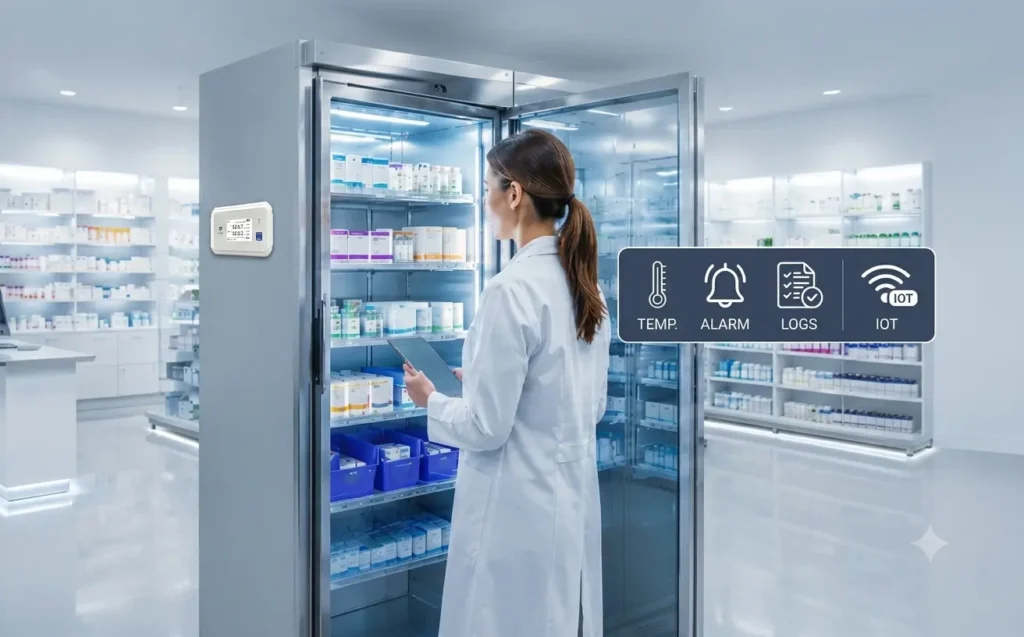
Pharmacies handle many temperature-sensitive products every day. Vaccines, insulin, biologics, and certain medications must stay within their recommended temperature range to remain safe and effective. Even a short temperature excursion can affect product quality and lead to unnecessary waste.
Many pharmacies still rely on manual temperature checks. Staff record readings on paper, review refrigerator temperatures during shifts, and respond when they notice a problem. While this approach may seem simple, it can leave gaps if readings are missed, equipment fails after business hours, or records are incomplete.
A better approach is to follow a clear temperature monitoring checklist and build consistent daily routines. This helps pharmacy teams identify issues early, maintain accurate records, and support regulatory requirements.
This guide explains a practical pharmacy temperature monitoring compliance checklist that can help improve daily operations and reduce the risk of temperature-related problems.
Why Pharmacy Temperature Monitoring Matters
Many medications require controlled storage conditions. Refrigerators and freezers used in pharmacies should maintain the correct temperature throughout the day and night.
If storage temperatures move outside the recommended range, products may lose their effectiveness. This can lead to financial losses, patient safety concerns, and additional work for pharmacy staff.
Proper temperature monitoring helps pharmacies:
- Protect temperature-sensitive medications
- Detect equipment problems early
- Reduce product waste
- Keep complete temperature records
- Support inspections and audits
- Improve patient confidence
Temperature monitoring is not only about checking numbers. It is about creating a reliable process that helps maintain medication quality every day.
Common Challenges in Pharmacy Temperature Monitoring
Many pharmacies face similar challenges when managing refrigerators and freezers.
Some common issues include:
- Missing daily temperature checks
- Paper logs with incomplete information
- Handwriting that is difficult to read
- Delayed response to temperature excursions
- No overnight or weekend monitoring
- Missing historical temperature records
- Equipment problems discovered too late
These situations can increase the workload for pharmacy teams and make it more difficult to review storage conditions when needed.
Pharmacy Temperature Monitoring Compliance Checklist
The following checklist can help pharmacies build a more reliable monitoring process.
1. Use Medical-Grade Storage Equipment
Choose refrigerators and freezers designed for pharmaceutical storage whenever possible.
Medical-grade equipment provides more stable temperature control than standard household appliances and helps maintain suitable storage conditions for sensitive products.
Regular equipment maintenance is also important.
2. Monitor Temperatures Continuously
Checking temperatures only once or twice a day may not identify every problem.
Continuous monitoring provides a better picture of storage conditions throughout the day.
This approach helps identify unexpected temperature changes that occur overnight, during holidays, or outside normal working hours.
3. Place Sensors in the Correct Location
Sensor placement affects the accuracy of temperature readings.
Avoid placing sensors near cooling vents, doors, or areas where temperatures change quickly during frequent door openings.
Follow manufacturer recommendations to position sensors where they represent the actual storage conditions of medications.
4. Set Temperature Alerts
Real-time alerts help staff respond quickly when temperatures move outside the acceptable range.
Alerts may be sent through email, SMS, or mobile applications, depending on the monitoring system being used.
Fast notification allows pharmacy teams to investigate the issue before it becomes a larger problem.
5. Keep Accurate Temperature Records
Good documentation is an important part of pharmacy operations.
Temperature records should include:
- Date
- Time
- Current reading
- Minimum and maximum temperatures
- Staff verification when required
- Notes for any corrective actions
Digital records can make reviewing historical information much easier than searching through paper files.
6. Review Temperature Data Regularly
Recording temperatures is only one part of the process.
Staff should regularly review temperature trends to identify recurring issues such as:
- Equipment performance problems
- Frequent door openings
- Seasonal temperature changes
- Power interruptions
Early review can help prevent future temperature excursions.
7. Create a Temperature Excursion Response Plan
Every pharmacy should know what to do if temperatures move outside the recommended range.
The response plan should include:
- Checking the equipment
- Confirming the temperature reading
- Keeping affected products separated if needed
- Contacting the appropriate manufacturer or supplier when required
- Recording all corrective actions
Having a written procedure helps staff respond consistently.
8. Train Pharmacy Staff
Technology alone cannot prevent every issue.
Staff should understand:
- How monitoring systems work
- How to review temperature data
- How to respond to alerts
- How to document corrective actions
- Daily monitoring responsibilities
Regular training helps maintain consistent monitoring practices across the pharmacy.
9. Test Monitoring Equipment
Monitoring devices should be checked regularly to confirm they continue working correctly.
Routine inspections can identify:
- Battery issues
- Sensor damage
- Communication problems
- Calibration requirements
Keeping monitoring equipment in good condition supports accurate temperature records.
10. Maintain Backup Plans
Unexpected events can happen at any time.
Power outages, equipment failures, and network interruptions may affect pharmacy operations.
Having backup storage equipment and emergency procedures helps protect temperature-sensitive products during these situations.
Benefits of Digital Pharmacy Temperature Monitoring
Some good practices include:
- Check equipment before opening each day.
- Review overnight alerts.
- Verify sensor status.
- Keep refrigerator doors closed as much as possible.
- Avoid overcrowding storage units.
- Record corrective actions immediately.
- Schedule routine equipment maintenance.
- Review historical reports every month.
Following these practices consistently helps improve temperature management over time.
Final Thoughts
Temperature monitoring is an important part of protecting medications and supporting pharmacy operations.
A clear compliance checklist helps pharmacy teams stay organized, respond quickly to temperature changes, and maintain complete records throughout the year.
Moving beyond manual temperature logs can also reduce paperwork and provide better visibility into storage conditions. Continuous monitoring, timely alerts, and reliable documentation all contribute to a stronger temperature management process.
Whether a pharmacy manages vaccines, refrigerated medications, or other temperature-sensitive products, following a structured monitoring plan helps reduce risk and improve daily operations.
Plumsense supports pharmacy temperature monitoring with solutions that provide continuous monitoring, digital records, and real-time alerts, helping healthcare teams maintain better oversight of critical storage environments.