Meet Plumsense at IAAPA Expo 2026 · Booth W2282 · Orlando, FL · Nov 17–20, 2026
 Visit us at www.plumsense.com


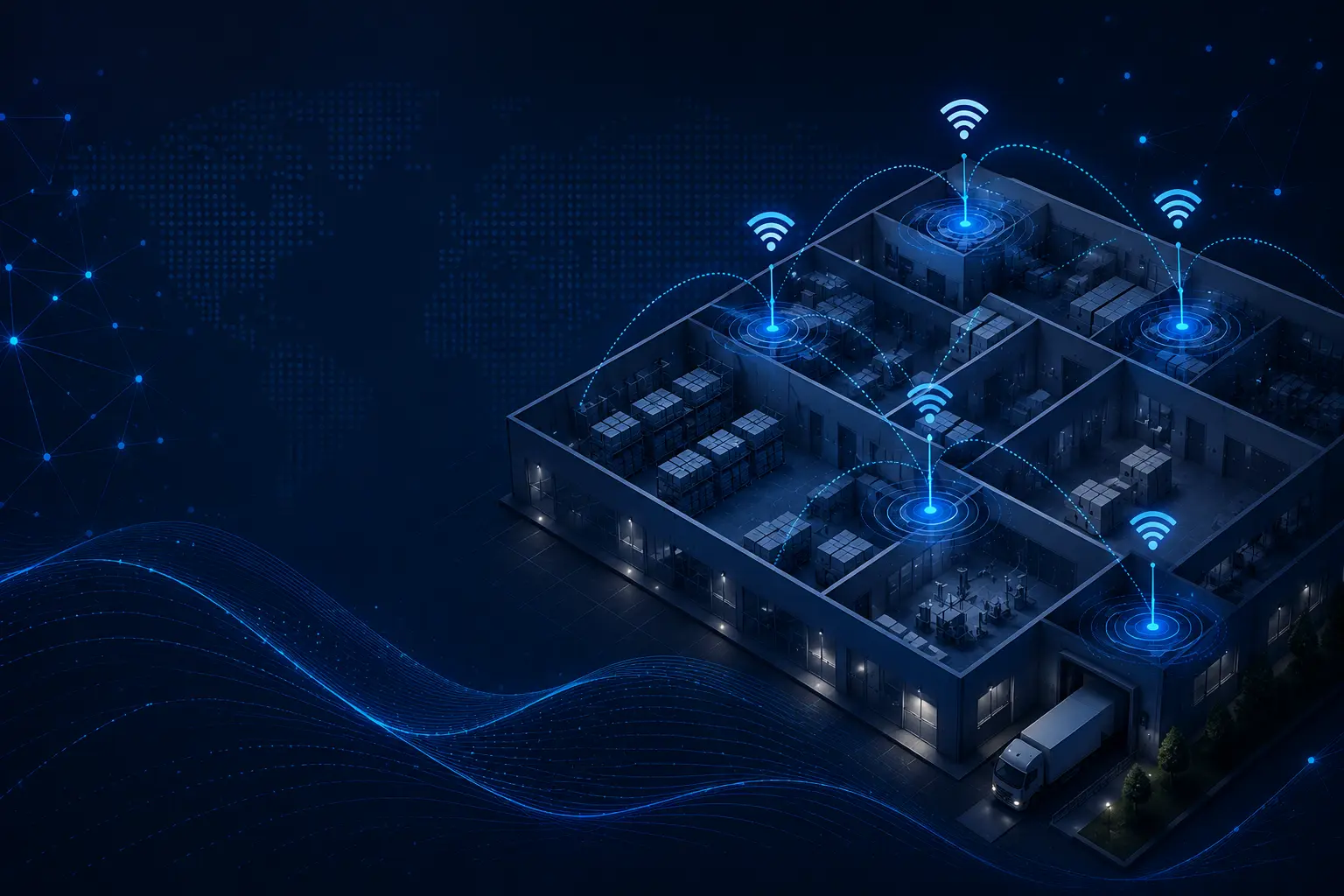
Cold chain businesses need stable temperature monitoring every day. Whether you store vaccines, medicines, frozen food, dairy products, fresh produce, or lab samples, even a small temperature change can cause serious problems. Products can lose quality, safety can be affected, and your team may have to explain missing records during audits.
Many businesses use wireless sensors to monitor temperature and humidity. But sensors alone are not enough. Your sensors need a strong connection to send data to your monitoring system. This is where a LoRaWAN gateway becomes important.
A LoRaWAN gateway helps collect data from wireless sensors and sends that data to a cloud platform or monitoring dashboard. This allows your team to check temperature readings, receive alerts, and maintain accurate records without relying solely on manual checks.
For cold chain operations, the gateway works like a bridge between your storage areas and your monitoring data. Without it, your team may not get real-time temperature updates when they need them most.
What Is a LoRaWAN Gateway?
A LoRaWAN gateway is a device that receives wireless data from LoRaWAN sensors and sends that data to a network server or cloud system.
In simple words, the sensor checks the temperature. The gateway receives the sensor reading. Then the gateway sends that reading to the monitoring dashboard.
For example, if you have sensors inside freezers, refrigerators, cold rooms, or storage areas, those sensors can send data to the gateway. The gateway then forwards the data through WiFi, Ethernet, or cellular connectivity.
This helps your team view temperature readings from different places in one system. Instead of checking each storage area manually, your team can use a dashboard to see what is happening across your cold chain.
Why Cold Chain Monitoring Needs Reliable Data
Cold chain monitoring is all about keeping temperature-sensitive products safe. But to do that properly, your team needs reliable data.
Manual checks can help, but they have limits. A staff member may check the freezer in the morning and evening, but what happens in between? If the temperature rises during the day, your team may not notice the issue on time.
This can be a serious problem for vaccines, medicines, frozen food, dairy items, and lab samples. Some products can be affected quickly when they are stored outside the safe temperature range.
A connected monitoring system helps reduce this risk. It collects readings automatically and can send alerts when the temperature goes outside the safe range. This gives your team more time to take action before product quality is affected.
Why a LoRaWAN Gateway Matters in Cold Chain
A LoRaWAN gateway helps your cold chain monitoring system work smoothly. It gives wireless sensors a way to send data over long distances while using low power.
This is useful in cold chain locations because many storage areas are difficult for normal wireless signals. Cold rooms, freezer walls, metal doors, warehouse racks, and long distances can make connectivity harder.
It Connects Sensors to the Monitoring System
A LoRaWAN gateway connects your sensors to your monitoring platform. Without a gateway, LoRaWAN sensors cannot send their data to your dashboard.
The gateway receives the data from the sensors and sends it to the cloud or server. This makes it possible for your team to view current readings, check past data, and receive alerts when something goes wrong.
It Helps Cover Larger Areas
Cold chain sites are often spread across large areas. A food warehouse may have multiple cold rooms. A hospital may have vaccine refrigerators in different departments. A logistics business may have storage rooms, loading docks, and packing zones.
A LoRaWAN gateway can help collect data from sensors placed across a wider area. This makes it useful for businesses that need monitoring in many places inside the same site.
It Supports Low-Power Sensor Monitoring
Many temperature sensors run on batteries. If sensors use too much power, your team may need to replace batteries often. That creates extra work and maintenance.
LoRaWAN is made for low-power communication. This helps sensors work for longer periods, depending on the device, battery, reporting interval, and site conditions.
For cold chain teams, this means less maintenance and more reliable monitoring.
How a LoRaWAN Gateway Works in a Cold Chain System
A cold chain monitoring system usually includes sensors, a gateway, internet connectivity, and a monitoring dashboard. Each part has an important role.
Step 1: Sensors Collect Temperature Data
Sensors are placed inside refrigerators, freezers, cold rooms, storage areas, or transport points. They collect temperature readings at regular times.
Some sensors may also monitor humidity, door activity, or other conditions, depending on the business need.
Step 2: The Gateway Receives Sensor Data
The LoRaWAN gateway receives data from the sensors. One gateway can collect readings from multiple sensors, depending on the site layout, distance, wall structure, and signal quality.
This is helpful for businesses that need to monitor many storage points without installing wired systems everywhere.
Step 3: The Gateway Sends Data Forward
After receiving the sensor data, the gateway sends it to the cloud or network server using WiFi, Ethernet, or cellular connectivity.
This step is important because your dashboard, alerts, and reports depend on the data reaching the monitoring platform.
Step 4: Your Team Views Data and Gets Alerts
Once the data reaches the monitoring platform, your team can view readings, check reports, and receive alerts if something goes wrong.
With a monitoring solution like Plumsense, businesses can track key storage areas and reduce the need for manual temperature records.
Benefits of Using a LoRaWAN Gateway for Cold Chain
A LoRaWAN gateway can support better cold chain monitoring in many practical ways. It helps your team get better visibility, respond faster, and keep stronger records.
Real-Time Temperature Visibility
One of the biggest benefits is better visibility. Your team can check temperature conditions without visiting every freezer, refrigerator, or cold room manually.
This is helpful for busy teams that manage many storage areas. They can quickly see which areas are stable and which areas need attention.
Faster Alerts When Something Goes Wrong
Temperature problems can happen at any time. A freezer may stop working. A refrigerator door may stay open. A power issue may affect cooling. A product may be placed in the wrong storage area.
When your system is connected through a gateway, alerts can help your team know faster. Fast alerts can help reduce product damage and give your team more time to take action.
Better Records for Audits
Cold chain businesses often need proper temperature records. These records may be needed for internal checks, customer requirements, compliance, or audits.
Manual logs can have missing entries or mistakes. Automatic monitoring helps keep more consistent records. A gateway helps make this possible by sending sensor data to the monitoring system regularly.
Less Manual Work for Staff
Manual temperature checks take time. Staff must go to each unit, read the temperature, write it down, and report problems.
When you use wireless sensors with a gateway, much of this work becomes automatic. Your team can spend less time on routine checks and more time solving real issues.
Better Monitoring in Hard-to-Reach Areas
Some cold chain areas are not easy to check often. Sensors may be inside storage rooms, warehouse corners, basements, or large freezer areas.
A LoRaWAN gateway can help collect data from these points without needing staff to check them again and again.
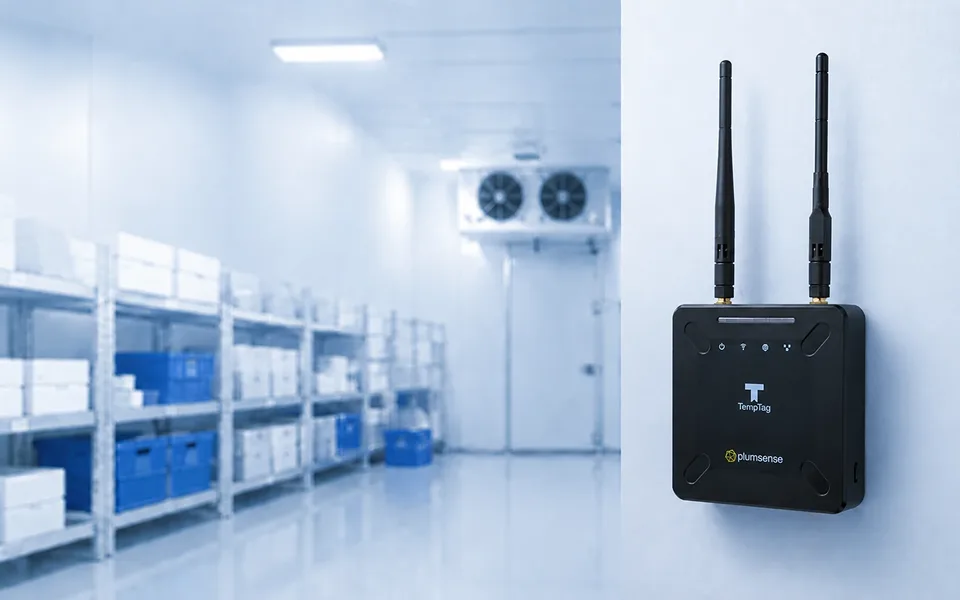
TempTag™ M700 LoRaWAN Gateway for Cold Chain Monitoring
A strong cold chain monitoring system needs a reliable way to send sensor data from storage areas to the monitoring platform. The TempTag™ M700 LoRaWAN Gateway helps bridge LoRa wireless sensor networks to IP networks using WiFi, Ethernet, or cellular connectivity.
This makes it useful for cold chain locations such as cold rooms, refrigerators, freezers, warehouses, and storage facilities where temperature data needs to be checked regularly.
With the right gateway setup, businesses can collect sensor readings from different areas and view them in one place. This helps reduce manual checks, improve response time, and support better record keeping.
Where LoRaWAN Gateways Are Useful in Cold Chain
LoRaWAN gateways can be used in many cold chain businesses. They are helpful wherever temperature-sensitive products are stored, handled, or moved.
Healthcare and Vaccine Storage
Hospitals, clinics, pharmacies, and laboratories often store vaccines, medicines, and samples. These products may need strict temperature control.
A gateway helps connect sensors across different storage units so teams can monitor conditions from one system. This can help reduce missed checks and support better temperature records.
Food Storage and Restaurants
Restaurants, grocery stores, convenience stores, commercial kitchens, and food warehouses all depend on cold storage. If food is stored at the wrong temperature, quality and safety can be affected.
Wireless monitoring can help teams track walk-in coolers, freezers, refrigerators, and prep areas. It also helps staff respond faster when temperatures move outside the set range.
Cold Storage Warehouses
Cold storage warehouses often have large rooms, thick walls, and many storage zones. Manual checks can be time-consuming in these spaces.
A LoRaWAN gateway can help collect data from sensors across the warehouse and send it to a central dashboard. This makes it easier to manage several zones from one place.
Logistics and Delivery Areas
Cold chain does not stop inside a storage room. Products may also pass through packing areas, loading docks, and delivery points.
Monitoring these areas can help businesses understand where temperature issues happen and how to fix them.
LoRaWAN Gateway vs WiFi Monitoring
WiFi is common, but it is not always the best option for cold chain monitoring.
WiFi may work well in small spaces with strong coverage. But in large buildings, cold rooms, metal-heavy areas, or remote storage points, WiFi signals can become weak.
LoRaWAN is often useful when you need long-range coverage and low-power sensors. It can be a better fit for warehouses, cold rooms, and multi-area monitoring.
This does not mean WiFi is bad. The right choice depends on your site, number of sensors, distance, walls, and monitoring needs.
How to Choose the Right LoRaWAN Gateway
Choosing the right gateway is important. A good gateway setup can make your monitoring system more reliable.
Check Your Site Layout
Before installing a gateway, check your site layout. Look at where your refrigerators, freezers, cold rooms, and storage areas are located.
Also check walls, doors, metal panels, and the distance between sensors and the gateway. This helps you understand how much coverage you may need.
Check Internet Options
A gateway needs internet access to send data forward. Some gateways support WiFi. Some use Ethernet. Some may support cellular connectivity.
For cold chain monitoring, having the right internet option matters because alerts and reports depend on data transfer.
Check the Number of Sensors
If your business has many sensors, make sure the gateway setup can support your needs. You may need one gateway or more than one, depending on your site size and signal conditions.
Check Future Growth
Your monitoring needs may grow over time. You may add more freezers, cold rooms, or storage points later.
Choose a setup that can support future expansion. This helps you avoid replacing the system too soon.
Gateway Placement Is Important
Even a good gateway may not work well if it is installed in the wrong place.
Gateway placement affects signal strength. If the gateway is placed behind thick walls, inside metal cabinets, or far away from sensors, the system may not perform properly.
Best Places to Install a Gateway
Try to place the gateway in a central area. Keep it away from large metal objects and heavy electrical equipment. Install it at a good height if possible. Make sure it has a stable internet connection.
For large buildings or sites with thick walls, one gateway may not be enough. Testing the signal before final setup is always a good idea.
Common Cold Chain Problems a Gateway Can Help Reduce
A LoRaWAN gateway does not control your cooling equipment, but it helps your team know when something needs attention.
Missed Manual Checks
Staff may forget to record readings during busy hours. Automatic data collection helps reduce this problem by collecting readings at regular intervals.
Late Response to Temperature Changes
When alerts reach your team faster, they can respond sooner. This can help reduce product damage caused by delayed action.
Missing Temperature Records
Manual logs can have gaps. Connected monitoring helps create a more complete temperature history.
Poor Visibility Across Storage Areas
If you have many storage points, it can be hard to know what is happening everywhere. A gateway helps bring sensor data into one place, so your team can check conditions more easily.
Why Plumsense Supports Better Cold Chain Monitoring
Plumsense helps businesses monitor important storage conditions with connected temperature and humidity monitoring solutions. For cold chain teams, this can make daily work easier and more consistent.
Instead of depending only on paper logs, teams can use automatic readings, alerts, and reports to manage temperature-sensitive products more confidently.
From healthcare storage to food service and cold storage facilities, Plumsense supports businesses that need better visibility and records.
Conclusion
A LoRaWAN gateway is an important part of a cold chain monitoring system. It connects wireless sensors to your monitoring dashboard and helps your team receive temperature data, alerts, and reports.
For businesses that store temperature-sensitive products, this can help reduce manual work, improve response time, and support better records.
Whether you manage healthcare storage, food storage, cold rooms, or warehouse areas, the right gateway setup can make cold chain monitoring easier and more reliable. With Plumsense, businesses can build a connected monitoring setup that supports daily operations and helps protect important products.