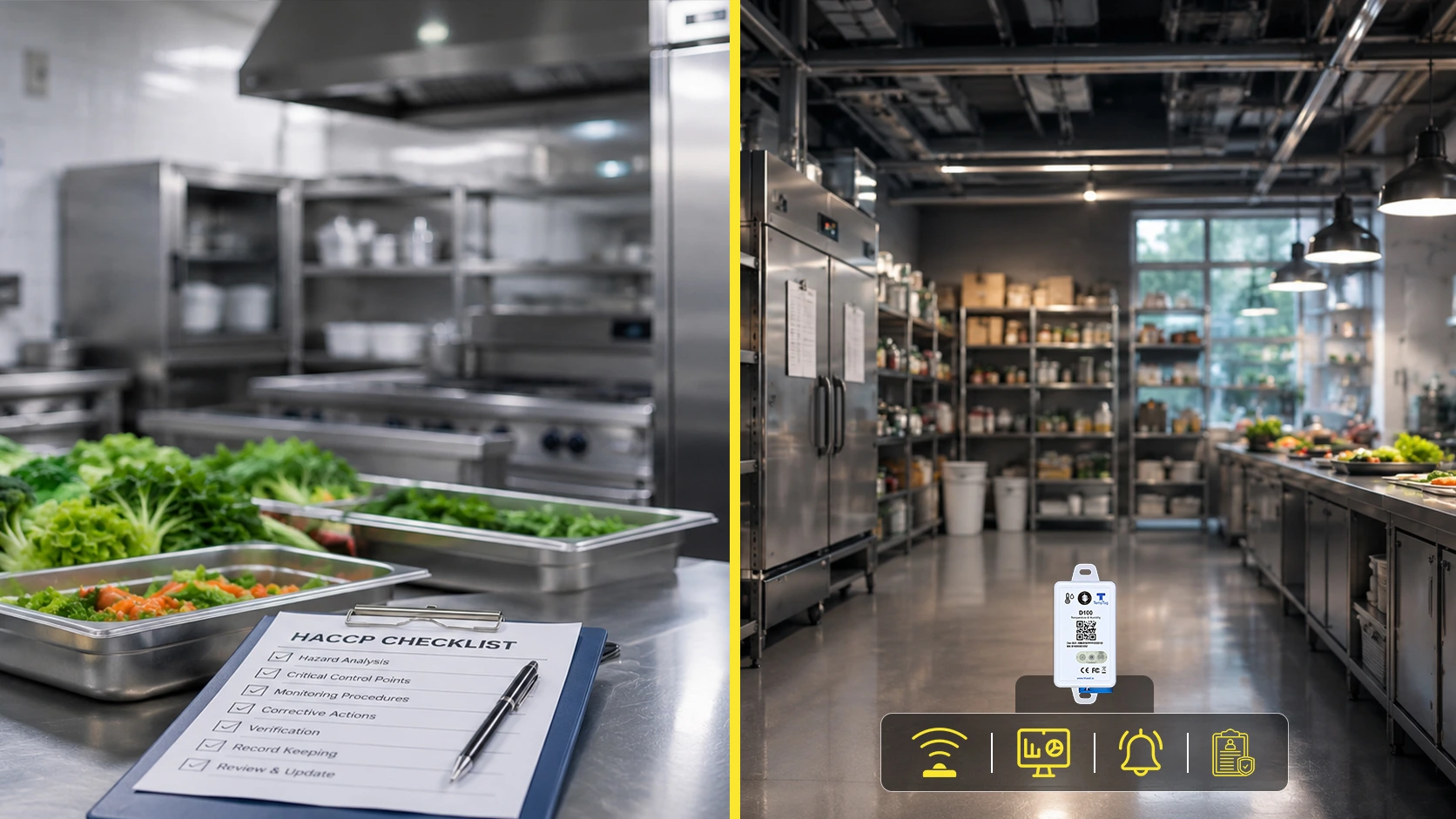
Meet Plumsense at IAAPA Expo 2026 · Booth W2282 · Orlando, FL · Nov 17–20, 2026
 Visit us at www.plumsense.com


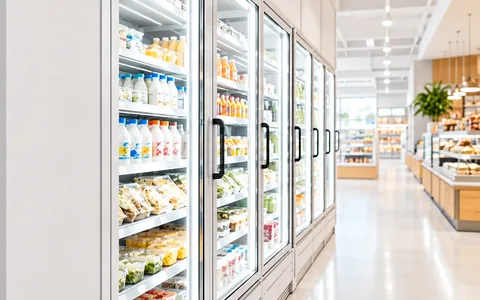
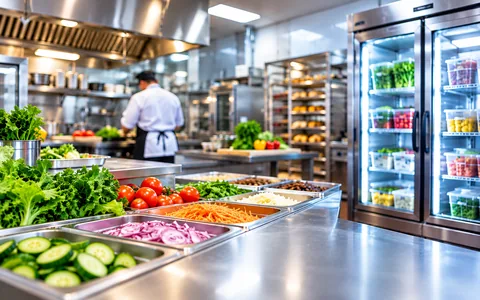
Grocery stores and convenience stores handle many temperature-sensitive products every day. Milk, cheese, meat, seafood, frozen food, fresh produce, prepared meals, grab-and-go items, and beverages all need the right storage conditions. Even a small temperature issue can affect product quality, food safety, customer trust, and store profits.
For many stores, temperature checks are still done manually. A staff member checks a cooler or freezer, writes the reading on paper, and moves on to the next task. This may look simple, but it can create gaps. Temperatures can change between checks. A freezer door may stay open too long. A cooler may start failing at night. A hot food case may drop below the safe range during a busy shift.
This is why grocery and convenience stores need temperature monitoring systems. These systems help track storage conditions in real time, send alerts when something goes wrong, and keep digital records for review. For stores that want to reduce waste, protect food, and make daily work easier, temperature monitoring is no longer just a nice option. It has become an important part of modern food retail operations.
What Is a Temperature Monitoring System?
A food temperature monitoring system uses sensors, probes, gateways, software, and alerts to monitor temperatures in critical areas of a store. These areas can include refrigerators, freezers, walk-in coolers, display cases, hot holding units, prep areas, storage rooms, and delivery areas.
Instead of relying solely on manual checks, the system automatically records temperature. Store teams can view readings from a dashboard, mobile app, or cloud platform. If the temperature goes outside the set range, the system can send an alert to the right person.
Plumsense helps food businesses monitor temperature with wireless sensors, real-time alerts, automated logs, and easy access to records. For grocery and convenience stores, this can support better food safety, faster response, and less manual work.
Why Temperature Matters in Grocery and Convenience Stores
Temperature plays a direct role in food safety and product quality. Cold foods must stay cold. Frozen foods must stay frozen. Hot foods must stay hot. When food stays outside the right range for too long, it can become unsafe or lose freshness.
In a grocery store, one refrigeration issue can affect many products at once. A walk-in cooler may hold dairy, meat, packaged meals, or produce. A freezer may hold frozen meals, ice cream, seafood, or ready-to-cook items. If the temperature rises and no one notices quickly, the store may need to throw away products.
In convenience stores, the risk can be even harder to manage because teams are often small and busy. Staff may be handling fuel customers, checkout lines, stocking, cleaning, and food service at the same time. Manual temperature checks can be missed during busy hours. A temperature monitoring system helps reduce this pressure by keeping watch in the background.
The Problem with Manual Temperature Checks
Manual temperature checks are common, but they have limits. A staff member may check a cooler three or four times a day, but the equipment runs 24 hours. That leaves many hours where problems can happen without being noticed.
Manual logs can also create record gaps. A reading may be missed. A number may be written incorrectly. Paper logs may be hard to find during an inspection. In some cases, staff may only notice a problem after food has already warmed up or product quality has already changed.
Manual checks also take time. In a store with many coolers, freezers, hot cases, and storage areas, staff may spend a lot of time walking around, checking readings, and filling out logs. That time could be used for customer service, cleaning, restocking, or other store work.
Automated temperature monitoring does not remove the need for trained staff, but it helps teams work with better information. It gives managers a clearer view of what is happening across the store.
Real-Time Alerts Help Teams Act Faster
One of the biggest benefits of a temperature monitoring system is real-time alerts. If a cooler temperature rises above the safe range, the system can notify the store team quickly. This gives staff time to check the door, move products, call maintenance, or take other action before the issue becomes bigger.
For example, a freezer door may not close properly after restocking. Without monitoring, this issue may not be found until the next manual check. With real-time alerts, the team can know sooner and fix the problem before product loss happens.
Alerts are also helpful after store hours. Refrigeration problems often happen at night, during weekends, or when fewer staff members are available. A temperature monitoring system can help managers know about issues even when they are not standing inside the store.
Reduce Food Waste and Product Loss
Food waste is a serious problem for grocery and convenience stores. Spoiled products mean lost money, extra labor, and possible customer complaints. When fresh, frozen, or prepared food is thrown away, the store loses both the product cost and the chance to sell it.
Temperature monitoring helps reduce waste by catching problems early. If a cooler starts warming up, the team can move products to another unit. If a freezer is showing unstable readings, maintenance can be planned before a full breakdown happens.
This is especially useful for high-value items such as meat, seafood, dairy, frozen food, and ready-to-eat meals. These products can be expensive to replace and may have strict storage needs. Better monitoring gives stores more control over these risks.
Support Food Safety and Compliance
Grocery and convenience stores must be ready to show that food is stored safely. Health inspections, internal audits, and company policies often require clear temperature records. Paper logs can be hard to manage, especially when there are many locations or many storage units.
A digital temperature monitoring system helps keep records in one place. It can show time-stamped readings, alert history, and corrective actions. This makes it easier for managers to review past data and prepare for inspections.
Plumsense supports digital logs and audit-friendly reports, helping teams keep better records without depending only on paper forms. This can be useful for stores that want a cleaner, more organized way to manage food safety documentation.
Better Visibility Across Multiple Store Areas
A grocery or convenience store may have many areas that need monitoring. These can include:
- Walk-in coolers
- Walk-in freezers
- Open display cases
- Glass-door refrigerators
- Frozen food cases
- Hot food displays
- Deli and prepared food areas
- Backroom storage
- Delivery and receiving zones
Checking all these areas manually can be time-consuming. A temperature monitoring system gives teams one place to view readings from different equipment and zones. Managers can see which areas are stable and which areas may need attention.
For multi-location stores, this becomes even more important. Owners and regional managers can view data from different stores without waiting for paper logs or phone updates. This helps create a more consistent food safety process across locations.
Helps Find Equipment Problems Early
Temperature monitoring is not only about food safety. It can also help stores spot equipment issues before they turn into major failures.
If a cooler keeps moving in and out of range, it may be a sign that the unit needs service. If a freezer takes too long to recover after door openings, it may need maintenance. If a hot holding unit cannot hold the right temperature, it may need repair or replacement.
These trends are hard to see with manual checks alone. Automated records make it easier to spot patterns over time. This can help teams plan maintenance instead of waiting for an emergency breakdown.
Save Staff Time and Reduce Daily Pressure
Store teams are already busy. In convenience stores, one or two staff members may handle many tasks at once. In grocery stores, different departments may have their own checks, logs, and routines. Manual temperature logging adds more work to the day.
Automated monitoring helps reduce this repeated task. Staff do not need to write down every reading by hand. Managers do not need to search through paper sheets to check if logs were completed. The system can collect readings automatically and store them digitally.
This gives staff more time to focus on customers, product displays, cleaning, stocking, and service quality. It also reduces the chance of missed checks during busy hours.
Protect Customer Trust
Customers expect food from grocery and convenience stores to be fresh and safe. If a customer buys spoiled food or sees poor food handling, trust can be damaged quickly. One food safety issue can affect reviews, repeat visits, and brand reputation.
A temperature monitoring system helps protect that trust by giving stores a stronger process behind the scenes. Customers may not always see the monitoring system, but they benefit from safer storage, fresher products, and better store operations.
For stores that sell prepared food, sandwiches, salads, hot food, dairy, frozen meals, or fresh items, this is especially important. Good temperature control supports both safety and customer confidence.
Where Grocery and Convenience Stores Can Use Temperature Monitoring
Temperature monitoring can be used in many parts of a food retail store.
Refrigerators and Coolers
Refrigerators and coolers are used for dairy, drinks, produce, packaged meals, meats, and other cold items. Monitoring helps ensure these products stay within the right range during the day and night.
Freezers
Freezers hold products such as frozen meals, ice cream, seafood, frozen meat, and vegetables. Monitoring helps identify thawing risks, door issues, or equipment problems.
Walk-In Coolers and Freezers
Walk-in units often store large amounts of inventory. A single failure can cause major product loss. Continuous monitoring helps protect bulk stock and high-value products.
Hot Food Cases
Many convenience stores sell hot food such as pizza, sandwiches, breakfast items, or prepared meals. Hot holding areas need regular monitoring to help keep food safe until it is sold.
Receiving and Storage Areas
Temperature monitoring can also support receiving checks and storage areas where products may wait before being placed in coolers or freezers.
Why Plumsense Is Useful for Food Retail Stores
Plumsense is designed to help businesses monitor important conditions with less manual work. For grocery and convenience stores, Plumsense can support 24×7 temperature tracking, real-time alerts, digital records, and easy access to monitoring data.
The system can help teams respond faster when conditions change. It can also help managers keep better records for audits and internal reviews. Instead of relying only on clipboards and paper logs, stores can use automated monitoring to improve visibility and reduce daily workload.
Plumsense is useful for businesses that want a simple, reliable way to monitor cold storage, freezers, food areas, and other key zones. It supports food safety teams, store managers, operations teams, and multi-location businesses that need clear records and fast alerts.
How to Choose the Right Temperature Monitoring System
When choosing a system, grocery and convenience stores should look for features that match daily store needs.
A good system should provide continuous monitoring, real-time alerts, easy reports, simple dashboards, and reliable sensors. It should also be easy for staff to use. If a system is too difficult, teams may avoid using it properly.
Stores should also think about the number of areas they need to monitor. A small convenience store may need sensors for a few coolers and freezers. A large grocery store may need monitoring for many departments, including meat, dairy, deli, frozen food, produce, and prepared foods.
The right system should help the team act faster, not create more confusion.
Final Thoughts
Grocery and convenience stores need temperature monitoring systems because food safety, product quality, and store profits depend on stable storage conditions. Manual checks alone can leave gaps, especially during busy shifts, nights, weekends, and equipment issues.
With automated temperature monitoring, stores can track coolers, freezers, hot cases, walk-in units, and storage areas more easily. Real-time alerts help teams respond faster. Digital logs make records easier to manage. Better visibility helps reduce waste, protect inventory, and support compliance.
Plumsense helps food retail businesses move from manual checks to smarter monitoring. For grocery and convenience stores that want to protect food, reduce loss, and make daily operations easier, a temperature monitoring system is a smart step forward.