Meet Plumsense at IAAPA Expo 2026 · Booth W2282 · Orlando, FL · Nov 17–20, 2026
 Visit us at www.plumsense.com


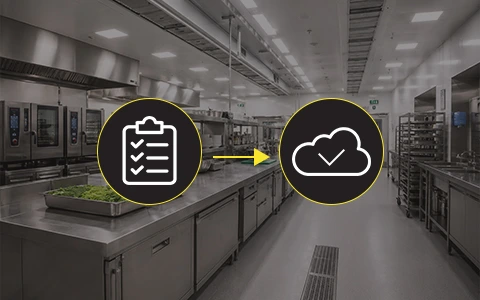
Rapid cooling is an important part of food safety in a hospital kitchen. Cooked food must move through unsafe temperature ranges within the required time. If the cooling process is not checked and recorded correctly, the kitchen may face problems during a HACCP audit.
One hospital kitchen was using paper forms to record rapid-cooling temperatures. Staff members wrote down the food name, temperature, time, and corrective action by hand.
The team understood the cooling process, but the manual system made it difficult to maintain complete and accurate records. Missing entries, delayed checks, and incomplete corrective-action notes created gaps in the hospital’s HACCP documentation.
To improve recordkeeping and prepare for future audits, the kitchen introduced a digital HACCP process using Plumsense.
The Challenge
The hospital kitchen prepared cooked foods that needed to be cooled before storage. Staff were required to record temperatures at different stages of the cooling process.
The manual process depended on employees remembering when each food item started cooling and returning at the correct time to take another temperature reading.
During busy kitchen hours, staff were also managing cooking, serving, cleaning, and other daily tasks. This made it difficult to complete every rapid-cooling check on time.
Several recordkeeping problems started to appear.
Missed Follow-Up Checks
In some cases, staff recorded the starting temperature but missed the next required temperature check.
Without the follow-up reading, managers could not confirm that the food had cooled within the required time.
Incomplete Paper Records
Some paper logs were missing important details, such as:
- Cooling start time
- Follow-up temperature
- Final temperature
- Employee name
- Corrective action
- Manager verification
Even when staff followed the correct cooling process, incomplete records made it difficult to prove compliance during an audit.
Late Record Entries
Some information was added after the cooling process had finished.
This created concerns about whether the recorded times and temperatures were accurate.
Limited Manager Visibility
Managers had to collect and review several paper forms to check whether rapid-cooling records were complete.
There was no simple way to see which food items were still cooling, which checks were overdue, or which records were missing information.
Difficult Audit Preparation
Before an audit, the management team had to organize paper forms and review them one by one.
Missing or incomplete records increased the risk of audit findings and reduced confidence in the kitchen’s HACCP documentation.
Why the Manual Process Created Audit Risk
A HACCP audit does not only check whether employees understand food safety procedures. It also checks whether the kitchen can provide clear records showing that each step was completed correctly.
The manual rapid-cooling process did not always provide reliable proof of:
- When cooling started
- When each temperature was checked
- Whether the required cooling limit was met
- What action was taken when cooling was too slow
- Who completed and reviewed the check
The audit showed that the kitchen needed better HACCP recordkeeping.
The main problem was not the cooling procedure itself. The problem was the way the information was being recorded and managed.
The Solution
The hospital kitchen replaced its paper rapid-cooling logs with a digital HACCP workflow using Plumsense.
The digital process followed the kitchen’s existing food safety procedures while making it easier for employees to complete and record each required step.
Digital Rapid-Cooling Checklists
Staff used a digital checklist to enter:
- Food item
- Starting temperature
- Cooling start time
- Follow-up temperature
- Final temperature
- Corrective action
Required fields helped reduce missing information and incomplete records.
Time-Stamped Entries
Each temperature reading and checklist entry was recorded with a digital timestamp.
This gave managers a clearer record of when the check was completed.
Follow-Up Reminders
The digital process helped staff remember when another temperature reading was required.
This reduced the risk of cooling checks being forgotten during busy kitchen operations.
Corrective-Action Documentation
When food did not cool within the required limit, staff could record the corrective action in the same digital checklist.
Corrective actions could include:
- Dividing food into smaller portions
- Moving food into shallow containers
- Using an ice bath
- Moving food to rapid-cooling equipment
- Reheating and restarting the cooling process
- Discarding food when required
This created a complete record of the problem and the action taken.
Central Record Review
Managers could review rapid-cooling records from one system.
They could quickly identify incomplete checks, missed entries, temperature issues, and corrective actions without searching through paper forms.
Audit-Ready Reports
Plumsense allowed the kitchen team to access organized digital records when preparing for a HACCP audit.
This reduced the time spent collecting paperwork and made it easier to show that rapid-cooling checks had been completed.
Implementation
The kitchen started by converting its existing paper rapid-cooling form into a digital checklist.
The team reviewed the current cooling process, required temperature limits, employee responsibilities, and corrective-action steps.
Staff members were then trained to:
- Start a rapid-cooling checklist
- Enter temperature readings
- Complete follow-up checks
- Record corrective actions
- Submit the completed record
Managers also learned how to review records and identify incomplete checks.
The digital process was introduced without changing the kitchen’s established HACCP plan. It simply provided a better way to complete, store, and review the required information.
The Results
After moving from paper records to a digital HACCP process, the hospital kitchen improved the quality of its rapid-cooling documentation.
Better HACCP Recordkeeping
Rapid-cooling records became more complete and easier to review.
Required fields reduced missing temperatures, times, employee details, and corrective-action notes.
Fewer Missed Checks
Staff had a clearer process for tracking food that was still cooling.
Follow-up reminders helped reduce late or missed temperature readings.
Clear Corrective Actions
When food did not meet the required cooling limit, the action taken was recorded in the same digital record.
This gave managers a better understanding of how temperature issues were handled.
Faster Manager Review
Managers no longer needed to collect and organize several paper forms.
They could review completed and incomplete records from one system.
Easier Audit Preparation
The kitchen could provide organized, time-stamped HACCP records during the next audit.
The records were easier to access, review, and explain.
Improved Audit Score
The hospital kitchen achieved an improved HACCP audit score after strengthening its rapid-cooling records and corrective-action documentation.
The improved result showed that better recordkeeping can support food safety compliance and audit readiness.
Key Outcomes
By replacing manual rapid-cooling logs with a digital process, the kitchen achieved:
- More complete HACCP records
- Fewer missed temperature checks
- Clearer time and temperature documentation
- Better corrective-action records
- Faster manager review
- Easier audit preparation
- Improved audit performance
- Better staff accountability
Conclusion
The hospital kitchen’s main challenge was not a lack of food safety knowledge. The challenge was maintaining accurate records during busy daily operations.
Paper forms depended on staff remembering every check, returning at the correct time, and completing every required field.
When information was missing, the kitchen could not easily prove that the rapid-cooling process had been completed correctly.
By using Plumsense, the team created a more reliable way to complete rapid-cooling checks, record corrective actions, and prepare for HACCP audits.
The result was better HACCP recordkeeping, easier management review, and an improved audit score.