Meet us at NACAS C3X 2026 · Booth 120 · Chicago · Sep 27–30, 2026

See continuous monitoring live at Booth 120 · Book a 15-minute demo Visit us at www.plumsense.com

Skip links

Vaccine Cold Chain Monitoring Requirements & Best Practices

Protect vaccine potency from receipt through administration with continuous temperature monitoring, real-time alerts, and audit-ready records for refrigerators, freezers, and healthcare storage workflows across one site or hundreds.

What is vaccine cold chain monitoring?

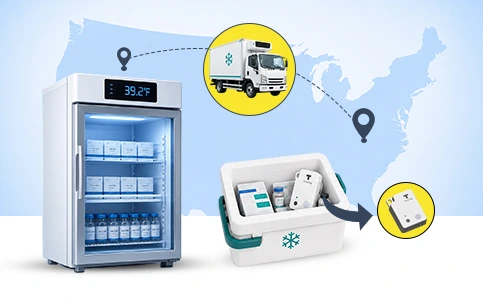
Vaccine cold chain monitoring is the continuous tracking of vaccine storage and transport temperatures from receipt through administration. A reliable cold chain helps keep vaccines within manufacturer-recommended temperature ranges, protects potency, reduces waste, and supports inspection-ready documentation.

cold chain section image

Cold chain failures can affect patients, inventory, and compliance

A single unnoticed excursion can compromise potency, trigger waste, and create gaps inspectors will ask about.

 
Safe Patient Care

Safe Patient Care

Temperature control helps ensure administered vaccines remain effective and safe to use.
Vaccine Potency

Vaccine Potency

Potency loss depends on product type, exposure time, and the temperature reached during the excursion.

Audit-Ready Records

Audit-Ready Records

Automated logs capture what happened, when it happened, and how staff responded.
Reduced Vaccine Waste

Reduced Vaccine Waste

Real-time alerts help reduce avoidable waste and replacement costs.

Don't let a silent excursion cost you a tray of vaccines

See how Plumsense catches temperature drift and alerts your team before it reaches inventory.

How vaccine monitoring works in 3 steps

Wireless sensors, a connected gateway, and a cloud dashboard give your team real-time temperature visibility without manual rounds.
place the sensor

Place the sensors

Wireless temperature and door sensors install in minutes on every vaccine refrigerator, freezer, and ultra-cold unit, with buffered probes where appropriate.

Connect the Gatway

Connect the gateway

A cellular or network gateway relays readings to the cloud and can keep collecting data during power and internet outages.

Monitor from dashboard

Monitor from the dashboard

Track live temperatures, get SMS and email alerts when conditions drift, and export audit-ready logs from one dashboard.

The devices behind it

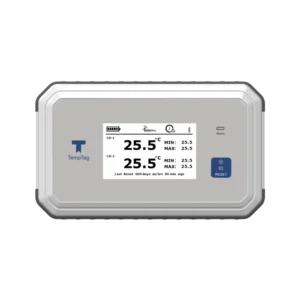
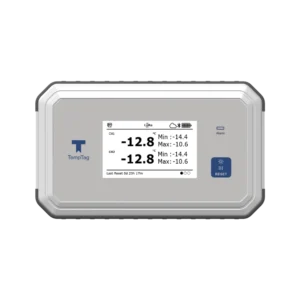
Vaccine storage runs on the TempTag™ FX100 and FX500 display loggers

An at-a-glance 2.7″ screen and an on-unit alarm on every fridge and freezer, plus CDC, VFC, and NIST-ready records that hold up in a VFC review.
TemTag FX100

TempTag FX100

Mount it on a vaccine fridge and staff read the live temperature off the screen without opening the door. Readings travel to the M500 gateway over 900 MHz and Bluetooth, and an RTD probe handles frozen and ultra-cold product when you need it.
TemTag FX500

TempTag FX500

The choice for clinics with more than one vaccine unit. Wi-Fi keeps it connected without a gateway nearby, and multiple sensor inputs let a single logger watch a fridge, freezer, and storage room, all reporting into one PlumSense view.

2.7″

On-device MIP display

85 dBa

Local alarm + LED

±0.5°C

Probe accuracy

2 yrs

User-replaceable AA

CDC · VFC

NIST · ISO 17025

21 CFR Part 11

FCC · IC · RoHS
From storage to shipment

Keep the cold chain intact once vaccines leave the fridge

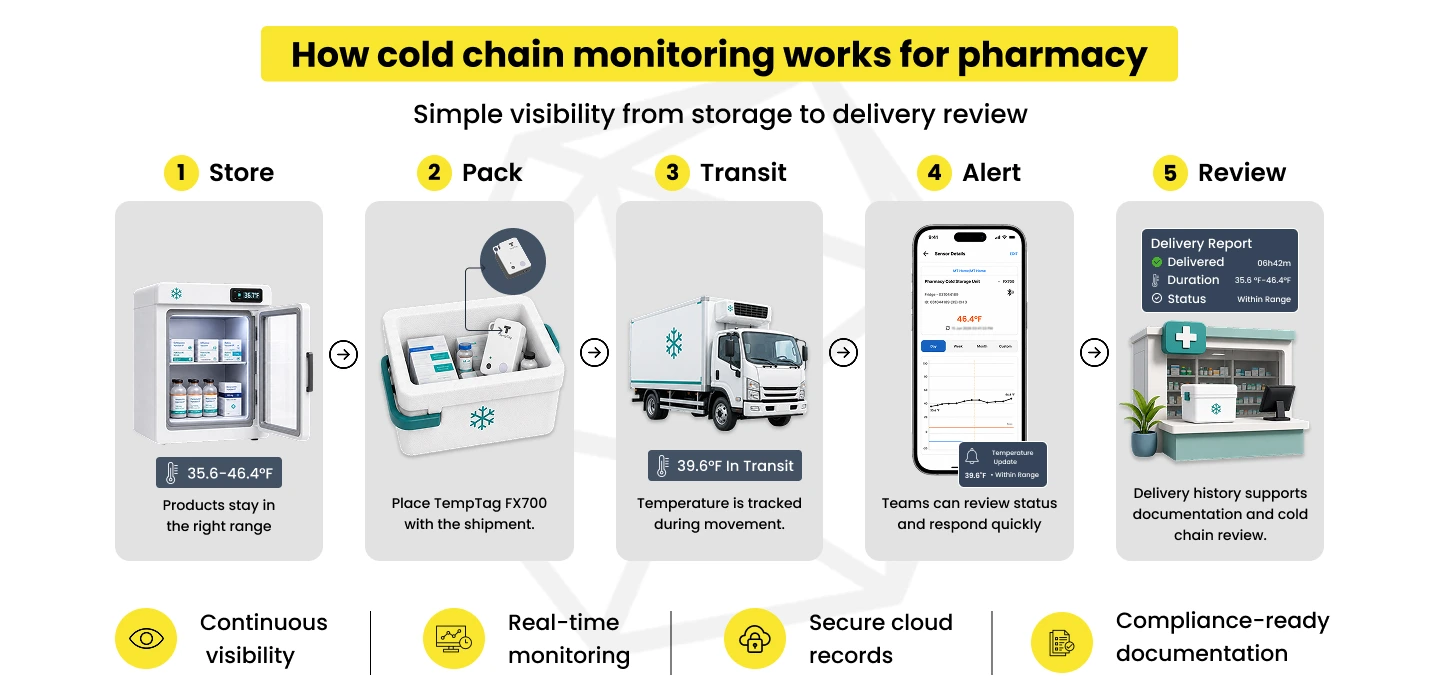
The TempTag™ FX100 and FX500 protect vaccines in storage. The moment a shipment moves, the Bluetooth® FX700 rides along, capturing an unbroken temperature record from pickup to delivery and proving condition on arrival.

fx700

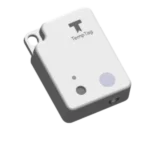
TempTag FX700

A rugged, IP67 Bluetooth® LE 5.0 logger made for the road. It records temperature and humidity for the entire trip, stores 100,000+ readings, accepts an external probe for reefer and freezer loads, and delivers a 21 CFR Part 11 report as proof of condition on arrival.
Where Temprature Breaks happen in Pharma

Ready to put this system on your vaccine freezer ?

Get a monitoring setup scoped to your storage units, locations, and compliance needs.

Why teams choose Plumsense for vaccine monitoring

Built for single clinics and multi-site pharmacy and hospital networks that can’t afford a silent excursion.
Keeps logging through outages

Keeps logging through outages

Battery-backed sensors and gateways can keep recording and alerting during power and internet loss, so your records stay complete.

One dashboard, every location

One dashboard, every location

Centralized oversight across a single pharmacy or a national network, with role-based access and site-level alerts.
Ultra-low to ambient coverage

Ultra-low to ambient coverage

Probe options for standard refrigerators, freezers, and ultra-cold storage for specialty vaccines and biologics.
NIST-traceable calibration icon (1)

NIST-traceable calibration

Calibration documentation traceable to NIST or an equivalent standard, available where your program requires it.

Alerts that reach the right people

Alerts that reach the right people

SMS, email, and escalation rules get issues to on-call staff before inventory is at risk, not after the morning check.

Analytics that flag failing units

Analytics that flag failing units

Trend views help spot units that drift or recover slowly so you can fix equipment before it causes an excursion.

See the TempTag™ FX700 and the dashboard in action

Book a live walkthrough and watch real-time alerts, audit logs, and reports come together.

What happens when vaccines go out of range?

A temperature excursion is any reading outside the storage range recommended in the manufacturer’s package insert. Excursions can happen during delivery, storage, transport, power loss, equipment failure, or everyday handling.

The impact depends on the vaccine type, temperature reached, and duration of exposure. Some vaccines are heat-sensitive, while others can be damaged by freezing. Continuous monitoring helps answer two critical questions: how far did the temperature drift, and how long did the exposure last?

Where cold chains most often break

Vaccine cold chain monitoring requirements and best practices

Build a workflow that combines the right storage equipment, monitoring devices, staff training, emergency procedures, and documentation.

Core monitoring setup

Documentation and readiness

CDC guidance recommends keeping temperature data for at least 3 years, and public vaccine programs such as VFC may have additional state or local record requirements.

Make your next inspection a non-event

Get audit-ready temperature records and documented excursion response across every site.

What to do during a vaccine temperature excursion

When storage moves outside the recommended range, follow a documented response instead of guessing whether vaccines are still usable.

1

Notify the responsible person

Alert the vaccine coordinator, supervisor, or designated staff member immediately.

2

Separate affected vaccines

Label affected inventory as “Do not use” and keep it separate from unaffected stock.

3

Document the event

Record the date, time, unit, temperature range, duration, affected products, and staff response.

4

Review the monitoring record

Use the digital data logger history to determine how long the excursion lasted.

5

Confirm guidance

Contact the vaccine manufacturer and/or immunization program for product-specific instructions.

6

Record final action

Document whether vaccines were used, returned to storage, discarded, replaced, or otherwise handled.

How to strengthen vaccine cold chain performance

The best cold chain programs combine technology, process, training, and regular review.
Monitor continuously

Monitor continuously

Manual checks miss overnight, weekend, and holiday excursions. Continuous monitoring records temperature history automatically.
Cover every storage unit

Cover every storage unit

Each refrigerator, freezer, ultra-cold freezer, or transport unit should have appropriate monitoring.
Use the right probe

Use the right probe

Buffered probes better reflect product temperature than air-only readings, which is why they’re common for vaccine storage.
Alerts that reach the right people

Set thresholds carefully

Match alert thresholds to the required range and route them to the right people before inventory is at risk.
Review data monthly

Review data monthly

Recurring patterns reveal door-open issues, unstable units, defrost cycles, or slow recovery after restocking.
Train all staff

Train all staff

Everyone who receives, stores, transports, or administers vaccines should understand cold chain and excursion documentation.

Frequently Asked Questions

A temperature excursion is any reading outside the range recommended by the vaccine manufacturer. It should be documented and reviewed before affected vaccines are used.
If a refrigerator, freezer, or storage area moves outside the required range, the pharmacy should quarantine affected products, check manufacturer guidance, document the event, and determine whether the medication can still be used before returning anything to active inventory.
Continuous monitoring is widely recommended because manual checks can miss overnight, weekend, and holiday excursions. A digital data logger records temperature history automatically and alerts staff the moment conditions drift outside the configured range.
Yes. A centralized cloud dashboard lets retail pharmacy chains and hospital networks monitor every refrigerator and freezer across all sites, with role-based access and site-level alerts, so head office and local staff see the same real-time data.
Battery-backed sensors and cellular gateways can keep recording temperature data during power and internet outages. Staff still receive alerts, and the complete log helps teams decide whether vaccines can be saved once power returns.
Follow a documented response: notify the responsible person, separate affected vaccines and label them "do not use," document the event, review the data logger history, confirm guidance with the manufacturer or immunization program, and record the final action taken.
CDC guidance recommends keeping vaccine temperature data for at least 3 years. Public vaccine programs such as VFC and some state or local requirements may ask for longer retention, so confirm the rules that apply to your facility.
Many vaccine programs require a digital data logger with a current and valid certificate of calibration that is traceable to NIST or an equivalent standard. Confirm the specific calibration requirements of your program before relying on a device.

Related monitoring solutions

Vaccine storage is one part of the cold chain. Explore how Plumsense protects the rest.

Food Safety

With intelligent sensors, quick alerts, and automatic compliance reporting, we enable you to act faster and prove accountability at every stage.

Calibration Services

Plumsense Temperature Calibration Services help keep sensors, probes, and data loggers accurate for monitoring and audit-ready records.

Pharmacy Monitoring

Continuous compliance monitoring for retail and hospital pharmacy refrigerators and freezers.

Smarter Operations Start Here

See how Plumsense can optimize your operations and prevent losses-live