Meet Plumsense at IAAPA Expo 2026 · Booth W2282 · Orlando, FL · Nov 17–20, 2026
 Visit us at www.plumsense.com


A freezer shows 0°F in the morning, rises to 8°F for a short time, and then drops again. Should this raise a concern, or is it a normal temperature fluctuation?
Not every temperature change signals a problem. The key is understanding when a fluctuation is normal and when it needs attention.
Refrigerators and freezers naturally experience temperature fluctuations throughout the day. Cooling cycles, defrost cycles, door openings, and the amount of stored material can all affect the temperature inside a unit.
However, some temperature changes may point to a problem that needs attention.
Understanding the temperature profile of a refrigerator or freezer helps businesses see what is happening inside their equipment, identify unusual changes, and take timely action when storage conditions are not maintained.
What Is a Temperature Profile?
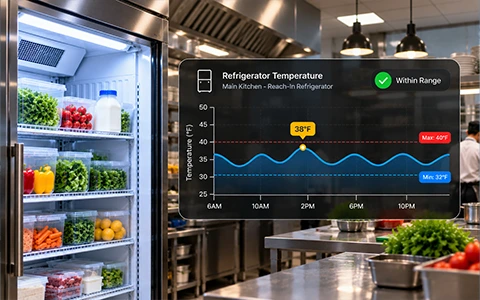
A temperature profile shows how the temperature inside a refrigerator or freezer changes over time.
It is usually presented as a graph, with time along the bottom and temperature shown on the side.
Instead of showing just one temperature reading, the graph provides a history of the unit’s performance.
For example, a refrigerator may show 37°F at one moment, rise to 40°F, and then return to 37°F.
Looking at a single reading does not explain what happened. A temperature profile shows when the change occurred, how long it lasted, and whether the pattern repeats.
This helps teams understand how their refrigerators and freezers operate during normal use and identify changes that may require further investigation.
Why Do Refrigerator and Freezer Temperatures Change?
A refrigerator or freezer does not always maintain one exact temperature.
Several everyday activities and equipment functions can cause the temperature to move up and down. Understanding these causes helps teams distinguish normal fluctuations from changes that may need attention.
1. Cooling Cycles
Refrigerators and freezers use a cooling system to maintain the selected temperature.
As the internal temperature rises, the cooling system starts working. Once the temperature falls sufficiently, the compressor may switch off.
This process repeats throughout the day.
On a temperature graph, it often appears as a series of small rises and falls.
These changes are generally expected, provided the equipment maintains the required storage conditions.
2. Door Openings
Whenever someone opens a refrigerator or freezer door, warmer air can enter.
The temperature may rise temporarily before the cooling system brings it back down.
This is common in commercial kitchens, pharmacies, laboratories, and warehouses where staff frequently access stored products.
Repeated door openings can cause more frequent temperature changes, making it important to monitor how quickly the temperature returns to the required range.
3. Defrost Cycles
Many commercial freezers have an automatic defrost function that helps remove frost from cooling coils.
During defrost, the temperature measured by an air sensor may rise before returning to its usual level.
This can create a noticeable pattern on a temperature graph.
However, the temperature increase should be reviewed against the equipment’s normal behavior and the storage requirements of the products inside.
4. Storage Load and Airflow
The amount of material stored inside a refrigerator or freezer can also affect temperature patterns.
Overloading a unit or blocking air vents may prevent cool air from circulating properly.
As a result, some areas may become warmer than others, or the equipment may take longer to return to the required temperature.
Proper storage arrangements and unobstructed airflow help maintain more consistent temperatures throughout the unit.
What Does a Normal Temperature Profile Look Like?
A normal refrigerator or freezer temperature graph often shows a recurring pattern of small temperature increases followed by cooling. These fluctuations are a natural part of how many units operate.
For example, a refrigerator might record:
- 37°F at 8:00 AM
- 39°F at 9:00 AM
- 37°F at 10:00 AM
- 40°F at 11:00 AM
- 38°F at 12:00 PM
This pattern may reflect regular cooling cycles or frequent door openings.
The key is not whether the temperature changes, but whether it remains within the required range and returns to the expected level.
A perfectly flat graph is not necessary for every unit. Different equipment may show different operating patterns, depending on its design, usage, and operating conditions.
The temperature graph should therefore be evaluated based on the type of equipment, the sensor location, and the products being stored. This helps teams determine whether the observed fluctuations are expected or need further investigation.
How Can You Identify an Abnormal Temperature Profile?
A temperature profile becomes particularly useful when the recorded pattern starts to deviate from the usual trend. Recognizing these changes can help teams identify potential issues early and take appropriate action.
Here are some warning signs to look for.
1. Frequent Temperature Spikes
A short temperature increase may be caused by a door opening.
However, repeated temperature spikes could indicate frequent access, a door that is not closing properly, or another operating problem.
By reviewing how often these spikes occur, how high the temperature rises, and how quickly it recovers, teams can better understand whether the pattern requires attention.
2. Temperature Takes Longer to Recover
Suppose a freezer usually returns to its normal temperature shortly after a door opening.
If it suddenly takes much longer to recover, the cooling system may be struggling to maintain the required conditions.
This could be related to blocked airflow, loading conditions, or equipment performance.
Comparing the current temperature profile with historical records can help teams spot unusual changes and investigate the possible cause.
3. Temperature Keeps Rising
A gradual increase over several hours may indicate a problem with the refrigeration system.
For example, a freezer that normally operates near 0°F may begin showing 5°F, then 10°F, and continue rising.
Unlike a brief temperature fluctuation, a sustained upward trend may indicate a developing issue that needs prompt attention, particularly when the stored products have strict temperature limits.
Early identification can help teams respond before the temperature moves further outside the required range.
4. Different Temperatures Inside the Same Unit
The temperature near a refrigerator door may differ from the temperature near its cooling system.
In larger refrigerators, walk-in coolers, and freezers, these differences may be more noticeable because cool air may not circulate evenly throughout the space.
Temperature mapping, which uses sensors at different locations to study temperature distribution, can help identify warmer and colder areas within the unit.
Understanding these variations allows teams to evaluate whether products are stored under suitable conditions and whether adjustments to product placement or airflow are needed.
What Are the Recommended Storage Temperatures?
The correct storage temperature depends on the products stored inside the equipment. Maintaining the right conditions is essential for preserving product quality and ensuring safety.
For general food storage, the USDA recommends keeping refrigerators at 40°F (4.4°C) or below and freezers at 0°F (-17.8°C) or below.
Commercial food-service operations must also follow applicable food safety requirements. Under the FDA Food Code, most foods that require temperature control for safety must be cold-held at 41°F (5°C) or below, subject to specific exceptions.
Healthcare and pharmaceutical storage may have different temperature requirements, depending on the products being stored.
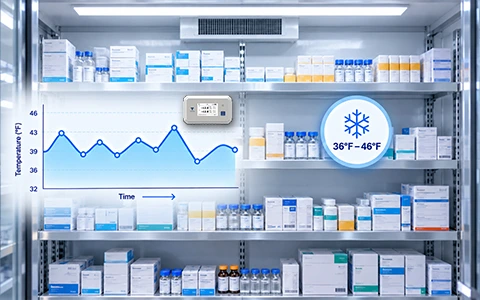
For example, the CDC recommends maintaining most routinely refrigerated vaccines between 36°F and 46°F (2°C to 8°C).
Freezer requirements vary by vaccine. The CDC’s general frozen vaccine storage range is -58°F to 5°F (-50°C to -15°C), but certain products require different conditions.
These are examples, not universal limits. Businesses should always follow product labels, manufacturer instructions, and the regulations applicable to their operations.
Why Is Continuous Temperature Monitoring Important?
A manual temperature check tells you the temperature at a particular moment. But what happens between checks?
For example, a restaurant employee may record the freezer temperature when opening the kitchen and again at closing. If the freezer experiences a temperature problem during the afternoon but returns to normal before the second check, the issue could go unnoticed.
Continuous temperature monitoring helps fill this gap by capturing temperature changes as they occur.
It allows teams to review:
- When a temperature change happened.
- How high or low the temperature reached.
- How long the change lasted.
- Whether similar changes occurred previously.
- Whether a unit is repeatedly struggling to maintain the required temperature.
This information helps staff identify unusual patterns, investigate potential problems, and address recurring issues before they become more difficult to manage.
How to Monitor Refrigerator and Freezer Temperatures Effectively
An effective temperature monitoring process does not need to be complicated. A few practical steps can help businesses maintain better oversight of their storage conditions.
Use suitable temperature sensors. Choose monitoring equipment designed for the temperature range and operating conditions of the storage unit.
Place sensors carefully. Sensor location matters. A reading near a door or cooling coil may differ from one taken near stored products. Appropriate placement helps provide a more meaningful picture of storage conditions.
Set appropriate temperature limits. Use the specific storage requirements of the products to establish suitable limits and alert settings.
Review temperature history. Look beyond the current reading. Check for repeated fluctuations, longer recovery times, and unusual temperature trends that may indicate a developing problem.
Respond to temperature excursions. If the temperature moves outside the acceptable range, investigate the cause and follow the appropriate procedures for assessing the affected products.
Regular equipment maintenance and staff training are equally important for maintaining suitable storage conditions and responding effectively when issues arise.
How Plumsense Supports Refrigerator and Freezer Temperature Monitoring
Businesses often manage multiple refrigerators and freezers across kitchens, storage rooms, pharmacies, and other facilities. Monitoring every unit manually can make it difficult to track temperature changes between inspections.
Plumsense offers wireless temperature monitoring solutions that help teams track refrigerator and freezer temperatures through a centralized platform.
With real-time monitoring, alerts, and historical temperature records, teams can keep track of storage conditions, identify unusual fluctuations, and determine which units may need attention.
For example, a restaurant manager can review temperature changes across walk-in coolers and freezers, while a pharmacy team can monitor storage conditions for temperature-sensitive medications.
Access to temperature history also makes it easier to investigate unusual fluctuations, understand potential causes, and maintain records for review.
By bringing temperature readings and historical data together, Plumsense can help businesses move beyond occasional manual checks towards a more consistent approach to temperature monitoring.
Conclusion
Refrigerator and freezer temperatures naturally change during normal operation. Cooling cycles, door openings, and defrost activities can all affect temperature readings. However, repeated or prolonged changes may indicate a problem that requires attention.
Understanding temperature profiles helps businesses recognize normal operating patterns, identify unusual conditions, and maintain better oversight of their cold storage equipment.
Explore Plumsense to discover how real-time monitoring and temperature history can support your refrigerator and freezer monitoring needs.